
The Myth of the Self-Sufficient Rail Operator
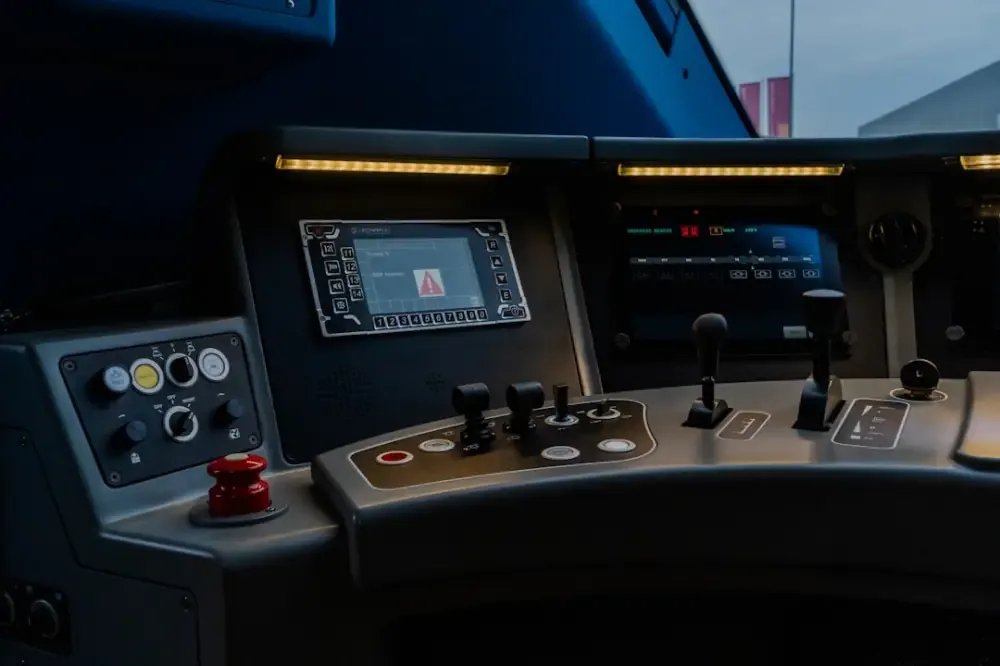
For decades, rail operators have prided themselves on being masters of their own destiny. From track maintenance to rolling stock procurement, the prevailing wisdom was that if you want it done right, you do it in-house. This ‘do-it-yourself’ philosophy worked well when trains were primarily mechanical beasts. But today, a modern locomotive is less of a machine and more of a rolling data center. In this new digital reality, the insistence on managing every single IT system internally is no longer a sign of strength; it is a strategic liability.
The complexity of modern rail infrastructure—encompassing everything from GSM-R communication and automated signaling to passenger Wi-Fi and predictive maintenance sensors—has outpaced the capacity of traditional internal IT departments. By attempting to keep every digital plate spinning alone, operators are inadvertently creating silos, slowing down innovation, and increasing their vulnerability to systemic failure.
The Digital Complexity Trap
It is my perspective that the sheer volume of niche expertise required to run a 21st-century railway is too vast for any single operator to house effectively. When a rail company tries to manage its own cybersecurity, its own cross-border connectivity, and its own data analytics platforms simultaneously, it often ends up being a ‘jack of all trades and master of none.’
Internal teams are frequently bogged down by ‘legacy debt’—the exhausting requirement to keep aging systems alive while trying to integrate new technologies. This creates a bottleneck where innovation goes to die. Instead of focusing on passenger experience or operational efficiency, internal IT staff are often relegated to a state of perpetual firefighting. This isn't just inefficient; it’s a waste of the specialized talent that should be driving the industry forward.
Why Specialized IT Partnerships Are Non-Negotiable
The transition from a DIY model to a partnership-led model is not about giving up control; it is about gaining focus. Specialized IT support services bring a level of depth that is impossible to replicate in-house without astronomical overhead. Here is why shifting the burden to external experts is the only logical path forward:
- Continuous Monitoring vs. Reactive Fixes: Internal teams usually work 9-to-5, but network threats and system failures don't. Specialized partners provide 24/7 monitoring that ensures issues are caught before they cause a signal failure or a service delay.
- Access to Niche Talent: Finding an IT professional who understands both high-level cybersecurity and the nuances of rail-specific communication protocols is like finding a needle in a haystack. Managed service providers aggregate this rare talent.
- Scalability and Agility: When an operator needs to expand services across borders or integrate a new fleet, a specialized partner can scale the necessary infrastructure in weeks, whereas an internal department might take months to clear the administrative and technical hurdles.
- Risk Mitigation: In a world of increasing cyber threats, the liability of a data breach or a system hack is too great to bear alone. Partnerships allow for shared responsibility and access to the latest defensive technologies.
Cybersecurity: A War You Cannot Win Alone
Perhaps the most compelling argument for abandoning the DIY IT model is the current state of cybersecurity. Rail networks are now considered critical national infrastructure, making them prime targets for state-sponsored actors and cybercriminals. A generalist internal IT team, no matter how dedicated, is rarely equipped to handle the sophistication of modern ransomware or sophisticated persistent threats.
The Talent Gap in Rail Security
The global shortage of cybersecurity experts is well-documented. In the competition for top-tier talent, rail operators are often outbid by tech giants and financial institutions. By partnering with a dedicated rail IT service provider, operators gain access to a collective brain trust that stays at the bleeding edge of threat intelligence. Trying to build this capability from scratch in-house is not just expensive; in my view, it is a race that most operators are destined to lose.
Breaking the Silos of Cross-Border Connectivity
As we move toward a more integrated European rail network, the challenge of cross-border connectivity becomes a major hurdle. Managing the transition between different national systems and ensuring seamless communication requires a level of interoperability expertise that transcends local operations. Operators who insist on managing these systems alone often find themselves trapped in ‘digital islands,’ unable to communicate effectively with neighboring networks. A specialized partner acts as the bridge, providing the standardized platforms and smarter connectivity needed for international transport.
The Strategic Pivot: From Maintenance to Innovation
The ultimate goal of outsourcing IT management is to allow rail operators to return to their core mission: moving people and goods safely and efficiently. When the burden of server maintenance, patch management, and network troubleshooting is lifted, the internal leadership can focus on high-level strategy. They can look at how AI can optimize scheduling or how the Internet of Things (IoT) can revolutionize the passenger experience.
The era of the isolated, self-sufficient rail operator is ending. The future belongs to the collaborators—the operators who recognize that their strength lies in their ability to integrate expert services into a cohesive whole. Continuing to manage every IT system alone isn't just an old-fashioned way of doing business; it is a direct threat to the resilience and modernization of our railways. It is time to let the experts handle the bits and bytes so the operators can focus on the tracks and trains.