
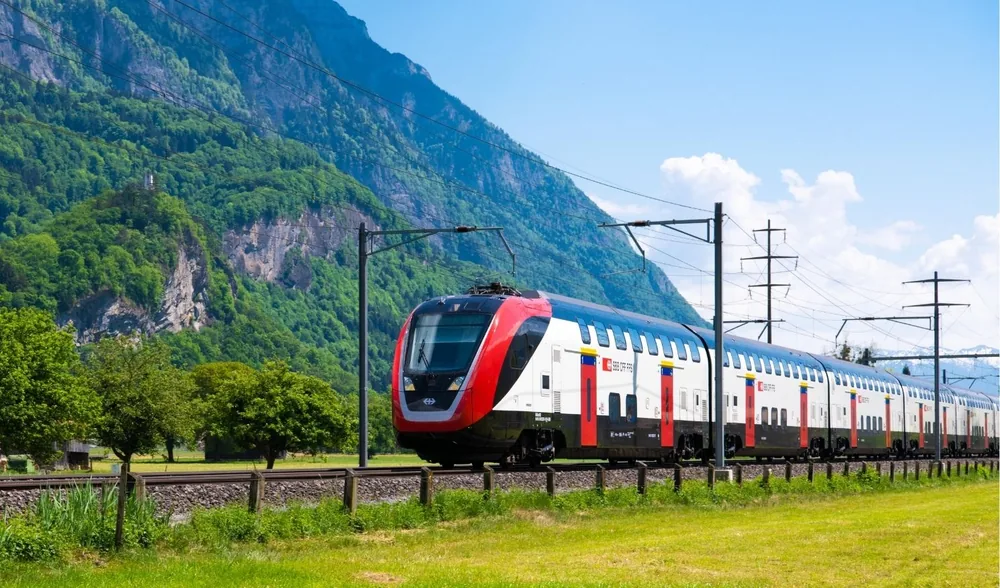
As global trade intensifies and rail becomes a preferred mode of sustainable, long distance freight and passenger travel, the demand for seamless cross-border rail connectivity is no longer optional it’s critical. Yet the reality remains: many international rail routes are plagued by communication dead zones, incompatible systems, and operational silos. For rail to compete on a global scale, smarter, integrated communication platforms must bridge these gaps.
1. Fragmented Systems Create Dangerous Delays
When a train crosses national borders, it often encounters a patchwork of legacy systems different signalling protocols, safety regulations, and incompatible communication infrastructures. This disjointed setup can lead to:- Time-consuming handovers between control centres
- Increased potential for human error
- Communication blackouts in transitional zones
2. Real-Time Visibility Is Essential for International Freight
Global supply chains depend on precision. Logistics providers and end-users alike expect accurate delivery forecasts and visibility at every stage of transport. Without an integrated, cross-border rail communication system, freight operators face:- Poor shipment tracking
- Miscommunication between national operators
- Delays at customs and checkpoints
3. Harmonisation Supports Regulatory Compliance
As international standards evolve especially within the EU and broader trade corridors—rail operators must align with regulations related to safety, environmental impact, and data security. Unified communication systems help operators:- Meet compliance with ERTMS and TSI standards
- Sync safety data across countries
- Maintain secure digital communication under GDPR or similar frameworks
4. Enhanced Safety Across Borders
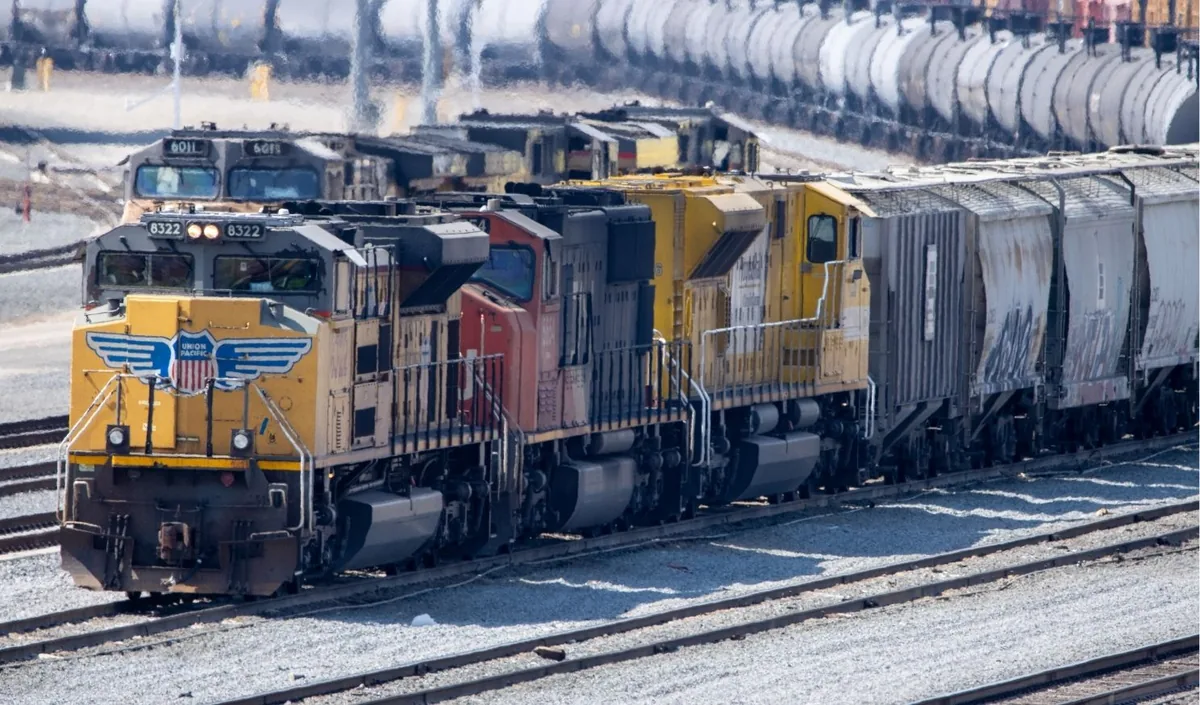
Cross-border operations often span different terrains, climate zones, and population densities all of which impact risk. Smarter connectivity ensures that operators can:- Detect and respond to threats across the entire network
- Share live data with international teams and emergency responders
- Provide passengers and crews with consistent safety communications
5. Economic Competitiveness Depends on Connectivity
Air and road transport have long had the upper hand in cross-border movement due to faster integration of digital technologies. To stay competitive, international rail must:- Reduce friction in transnational travel
- Enable unified command-and-control
- Integrate with smart infrastructure like IoT, AI, and blockchain logistics